
Peel-and-Stick or Full Reno? Your Kitchen Cost Showdown
Today we unpack Budget Breakdown: Peel-and-Stick Upgrades vs. Traditional Kitchen Renovation Costs, translating confusing line items into plain language that respects your wallet and time. We will compare materials, labor, permits, hidden expenses, and long-term value, layering in real-life anecdotes and practical guidance. Expect candid pros and cons, sample budgets, and a friendly nudge toward the right choice for your space, lifestyle, and goals, without overwhelming jargon or pressure.


Peel-and-Stick Upgrades: What You Can Realistically Expect
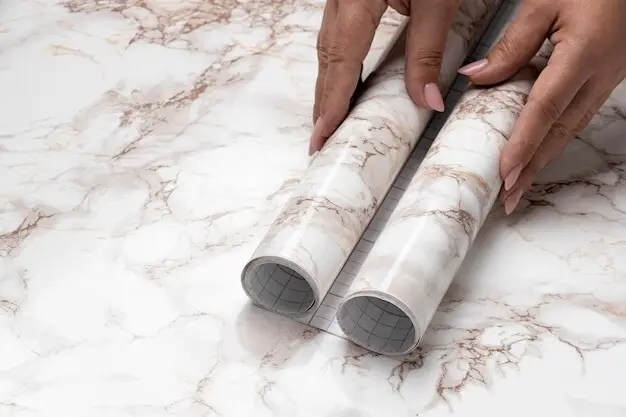
Peel-and-stick shines when speed, flexibility, and low disruption matter most. It helps renters, busy households, and cautious first-time DIYers enjoy visible improvements without irreversible changes. Success depends on meticulous prep, thoughtful seam placement, and respecting manufacturer temperature and moisture guidelines. While many products perform admirably, longevity typically trails permanent installations, especially near heat, water, or heavy abrasion. That trade-off can still be excellent if your horizon is short-to-medium term, you prioritize aesthetics over structural change, and you appreciate the freedom to reverse or refresh without permits or complex coordination.
Traditional Renovation: When the Big Work Pays Off
Comprehensive renovations unlock layout improvements, code compliance, and durable finishes that age gracefully. Moving outlets, plumbing, and ventilation is easier when walls are open, and cabinetry can be right-sized for storage rather than forced to fit. While the investment is higher, day-to-day function often leaps forward, and long warranties help peace of mind. Return on investment varies by region and scope, with modest, well-planned updates historically recovering a meaningful portion. Think decades, not seasons, and weigh lifestyle gains like safer wiring, quieter drawers, and surfaces that shrug off relentless, joyful cooking.
Cabinets define not only style but workflow. Stock lines deliver speed and savings, while semi-custom expands sizing, finishes, and storage inserts. Custom work solves impossible corners and ceiling transitions, though lead times and budgets climb. Refacing can be a sweet middle path when boxes are solid and hinges upgradeable. Remember fillers, crown, light rail, and sturdy mounting rails in the number. Hardware is the handshake you feel daily, so do not skimp. Plan space for recycling, trays, and that awkward mixer, because a clean counter returns value every morning.
A countertop decision ripples through template scheduling, sink selection, backsplash termination, and even faucet reach. Laminate remains budget-savvy and colorful; quartz brings consistency and low maintenance; natural stone offers singular character with sealing responsibilities; butcher block warms spaces but appreciates oil and attention. Tiling a backsplash requires flat walls, proper trowel sizes, and patient grout cleanup. Durable surfaces repay you with fewer worries, whereas cheaper shortcuts can shed edges or stain unexpectedly. Choose with candor about your cooking style, cleaning habits, and how much patina you truly enjoy.
Behind beautiful finishes, safety and reliability matter. Dedicated circuits for appliances, GFCI protection near water, and proper ventilation reduce hazards and odors. Updated shutoff valves, accessible traps, and thoughtful hose routing spare future headaches. Permits and inspections verify work meets local code, supporting insurance claims and buyer confidence later. It is tempting to skip the invisible, yet these decisions anchor everyday calm: breakers that do not trip while brewing coffee, hoods that actually clear steam, and outlets exactly where mixers live. Quiet competence makes the kitchen genuinely welcoming.

Side-by-Side Budget Scenarios
Seeing actual numbers in context helps you anticipate trade-offs. We will sketch three realistic paths, each balancing speed, disruption, and lifespan. A renter-friendly refresh prioritizes reversible impact for small money. A starter home overhaul modernizes wisely without moving walls. A forever kitchen rebuild invests in efficient layout, durable systems, and personal touches. Timelines, labor exposure, and lifestyle interruptions vary widely. Use these snapshots to benchmark quotes, identify missing line items, and refine your priorities before committing funds or inviting dust into your breakfast routine.
Longevity, Maintenance, and Total Cost of Ownership
Durability Under Heat, Water, and Daily Use
Kitchen battles are heat bursts at the cooktop, splashes by the sink, and crumbs grinding underfoot. Adhesives can soften under repeated warmth, and seams are only as strong as their prep. Traditional tile and quartz shrug more confidently, though they bring their own installation art and care notes. Think about your worst habits: setting hot pans down casually, trimming herbs near seams, or skipping mats at the sink. Build protection into your plan so the space forgives you gracefully rather than demanding constant vigilance and scolding.
Cleaning and Upkeep Over Time
Long-term ease lives in simple maintenance. Films and vinyl prefer gentle, pH-balanced cleaners and soft pads that do not scratch top layers. Grout appreciates periodic sealing and quick wipe-ups after splashes to avoid discoloration. Stainless begs for microfiber and kindness. Stone loves coasters and a calm response to spills. Create a short weekly rhythm that respects materials, and your kitchen thanks you by staying photo-ready. Clear, realistic cleaning routines save money by reducing deep restorations, and they preserve the happy mood that initially motivated the project.
Cost per Year, Not per Day
Budget decisions feel different when divided by expected lifespan. A modest wrap that delights for several years can be a stellar bridge to a later investment. A pricier countertop that effortlessly handles decades may cost similar dollars annually, yet deliver calmer mornings and easier cleanup. Factor wear zones, family growth, and hosting patterns. Consider the joy premium, because satisfaction has value too. Put these figures into a simple spreadsheet, compare two or three courses, and you will see clarity emerge without sales pressure or rushed promises.
Mistakes to Avoid and How to Stay on Budget
Projects wobble when measurement shortcuts, rushed prep, or scope creep slip in. The cheapest cart total often ignores primers, rollers, safety gear, delivery, and disposal. Quotes can be incomplete or inconsistent, so align line items before comparing. Protect tender margins with a contingency and written change-order rules. Time also needs protection: avoid demo before materials land, and schedule inspections early. Measure appliances twice, leave clearance for ventilation, and respect weight limits. A steady, documented plan keeps dollars where you intend and makes progress feel deliciously inevitable.
Prep Is Not Optional
Adhesion lives or dies on cleanliness and profile. Degrease with appropriate cleaners, rinse thoroughly, and scuff glossy paint lightly so new layers grip. For uneven walls, skim coat and sand smoothly; for floors, check flatness diligently. Acclimate vinyl so expansion behaves predictably. Observe minimum temperatures for installation and curing times before heavy use. Skipping these steps often means lifting corners, bubbled seams, or dented planks that eat savings later. Prep is patience translated into durability, and it keeps your budget from rewriting itself next season.
Measure Twice, Buy Once
Square footage with overage saves last-minute store runs and mismatched batches. Pattern repeats, waste at corners, and offcuts around vents eat material quietly. Verify cabinet clearances, appliance door swings, and countertop overhangs so nothing collides. Bring home samples to check sheen, warmth, and light reflection at night. Confirm return windows and restocking fees. Document lot numbers for consistent color if you must reorder. A few hours with a tape, level, and notepad can save hundreds of dollars, three apologies, and a week of preventable delays.
Permit, Warranty, and Insurance Considerations
Know when to involve your municipality and when licensed pros are non-negotiable. Electrical and plumbing changes may require inspections that safeguard you and future buyers. Keep receipts and installation photos for warranties and insurance claims, and follow manufacturer instructions to avoid exclusions. If a landlord or HOA is involved, secure written approvals. Store a small box of extra materials labeled by area for tidy future repairs. Doing the boring paperwork parts protects your investment and converts potential headaches into calm, traceable documentation that supports long, happy use.


Next Steps, Tools, and Community Support
You now have a clear view of trade-offs between peel-and-stick speed and traditional staying power. Choose your path, then break it into a checklist with budgets, deadlines, and responsible helpers. Gather tools before starting, protect surfaces like you mean it, and share progress to stay motivated. Ask questions in the comments, subscribe for fresh cost breakdowns and printable guides, and send photos so we can celebrate with you. Real kitchens improve through small, consistent actions, and our community thrives on kindness, candor, and practical wisdom.
All Rights Reserved.