
Small Galley, Big Brilliance with Peel-and-Stick Upgrades

Today we dive into Space-Savvy Kitchen Makeovers: Using Peel-and-Stick Materials to Brighten Small Galley Layouts, sharing smart planning moves, renter-friendly tricks, and quick wins that transform narrow corridors into cheerful, hardworking spaces. Expect practical steps, honest lessons learned, and glow-boosting ideas that fit tight budgets, tighter footprints, and the everyday realities of cooking, cleaning, and living well in compact kitchens.

Plan the Light, Not Just the Layout

Before unrolling a single backing paper, map where the light actually travels in your galley. Brightness in tight spaces comes from reflectivity, sightlines, and rhythm, not only lumens. Use glossy surfaces to bounce light, calm tones to extend walls, and continuous lines to guide the eye forward. A simple morning-to-evening light diary often reveals shadow pockets you can fix with reflective wraps, pale backsplash tiles, and cleverly placed LED tape.

Find and Multiply Every Lumen

Stand in the kitchen at sunrise, noon, and night, noting glare and gloom. Choose peel-and-stick finishes with higher light reflectance values, mix satin and gloss to avoid harsh hotspots, and place bright textures where light lands. A friend named Maya gained surprising depth by wrapping a narrow toe kick in a pearl vinyl and adding one warm LED strip, which mirrored gentle light back onto the floor.

Measure Once, Mock Up Twice

Grab painter’s tape, brown paper, and a notepad. Tape out backsplash courses, cabinet wrap edges, and floor plank direction to test sightlines. Take phone photos at standing and seated heights to spot awkward seams. Precut sample strips, dry-fit them, and practice around outlets and corners. A careful mockup prevents jagged patterns, short tiles near edges, and the dreaded midnight realization that the pattern flows the wrong way.

Set a Realistic Budget and Timeline

Estimate square footage, then add ten percent for waste, more if patterns need matching. Peel-and-stick backsplash sheets typically range from modest to mid-tier pricing per square foot, while quality vinyl wraps and LED tape vary by brand and durability. Plan for thorough cleaning, priming, and rolling time. Block two solid weekends for a full corridor upgrade, and schedule drying windows so fresh surfaces are undisturbed during meals.

Walls and Backsplashes that Shine

Vertical surfaces are your biggest canvas for light. Choose peel-and-stick tiles with subtle dimension, pale hues, or micro-metallic accents to scatter brightness down the galley. In cooking zones, prioritize heat-tolerant, easy-to-wipe materials and smart transitions near ranges. The secret is clean, smooth prep: degrease, sand glossy paint lightly, prime if needed, and test adhesion. Thoughtful patterns can visually widen the walkway without stealing precious inches.

Prep Like a Pro for Lasting Grip

Stubborn kitchen film is the enemy of adhesion. Wash with a degreaser or TSP substitute, rinse thoroughly, then do a light scuff for tooth on shiny paint. Patch dents, sand smoothly, and remove dust with a tack cloth. If walls are porous or uneven, a bonding primer helps. Keep a J-roller handy to lock edges, and remember: patience during prep saves every future minute spent re-sticking corners.

Smart Patterns for Narrow Corridors

Use horizontal tile courses or elongated shapes to stretch the galley visually, and keep busy mosaics concentrated at eye-catching focal points. Light marbles, crisp whites, and soft pastels brighten shadows without overwhelm. When choosing faux grout lines, align them with cabinet edges to reduce visual noise. Consider a gentle herringbone only if you can run it cleanly; otherwise, stacked or subway patterns guide the eye more calmly forward.

Behind the Range Without Worry

Most peel-and-stick materials prefer distance from direct heat. Respect manufacturer heat ratings, and use stainless panels, tempered-glass shields, or aluminum composite near burners. Create a small buffer zone, maintain clearance, and terminate peel-and-stick just beyond hot spots. Seal edges against steam with a thin bead of heat-resistant caulk. This layered approach keeps your backsplash crisp, your adhesives reliable, and weeknight cooking as drama-free as your cleanup.
Countertops and Cabinets, Instantly Renewed

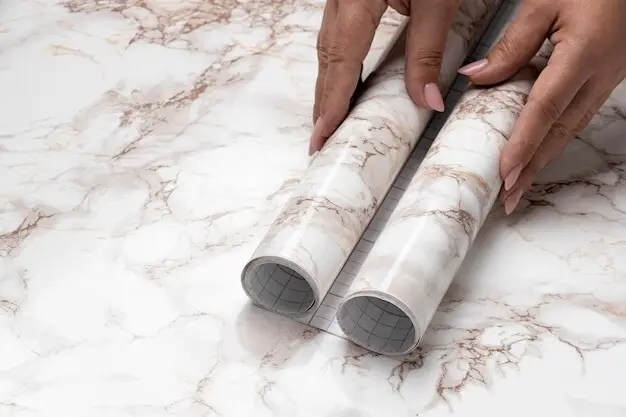
When cabinets feel drab and counters look tired, peel-and-stick vinyl wraps and contact films deliver a convincing refresh without demolition. Choose realistic textures, soft matte finishes for fingerprints, or satin stones for light bounce. Work slowly with heat, a squeegee, and sharp blades. Pay extra attention to inside corners, edges, and hardware placement. A unified, brighter cabinet run can visually declutter the entire galley even before adding new lighting.

Wrap Countertops with Confidence

Start with the longest straight edge, working outward to difficult corners. Warm the film gently to relax around curves, overlap undersides neatly, and feather seams in low-traffic zones. Avoid placing hot pots directly on wrapped surfaces, and use cutting boards to protect finishes. A stone-look wrap in a pale tone reflects ambient light, quietly increasing perceived space while making daily wipe-downs faster and more satisfying.

Cabinet Doors Go from Dull to Dazzling

Flat doors wrap smoothly; raised panels benefit from careful inside-corner snips and mild heat. Clean, degloss, and remove handles first. Wrap stiles and rails with continuous strokes to hide seams along natural lines. Fresh adhesive bumpers soften close sounds, while slender, brushed-metal finger pulls complement reflective surfaces beautifully. Maya’s corridor brightened dramatically after she paired pale oak-look wraps with soft brass accents that echoed warm LED under-cabinet light.

Hardware and Trim Without Extra Holes

Rely on adhesive-backed cable clips, removable hooks, and stick-on magnetic bars to add function without drilling. Lightweight rail alternatives manage utensils, towels, and mitts inside cabinet doors. For a finished edge, use peel-and-stick trim tape along cabinet sides and shelves. Confirm weight ratings, and place fittings near structural points. The right micro-accessories bring order to tight spaces while protecting landlord paint and your security deposit.

Floors, Toe Kicks, and the Long View

Underfoot choices influence how long and open a galley feels. Peel-and-stick planks laid lengthwise visually stretch the corridor, while mid-tone neutrals hide crumbs yet reflect gentle light. Prioritize a durable wear layer, subtle texture for slip resistance, and firm adhesion. Transition cleanly at thresholds, and mirror finishes on toe kicks to bounce brightness downward. The lower third of your kitchen quietly controls perceived spaciousness and calm.

Choose the Right Wear Layer and Texture

Scrutinize specs for wear layer thickness and surface texture. A tougher topcoat resists chair scuffs and dropped utensils, while a light emboss adds grip without trapping dirt. Test a sample under your actual lighting to see color shifts. Avoid ultra-gloss on floors to prevent glare; keep the shine for backsplashes and trims instead. Balanced finishes make small galleys feel considered, intentional, and gracefully low-maintenance.

Lay a Straight Line in a Crooked Room

Old buildings rarely offer perfect rectangles. Snap or tape a reference line, dry-lay a few rows, and scribe to walls rather than forcing straight boards into crooked angles. Roll each plank with pressure, staggering seams naturally. Where appliances meet flooring, use slim thresholds or removable trim to protect edges. The result reads calmer, longer, and cleaner, even before sunshine or LED accents start doing their reflective magic.

Toe Kicks and Baseboards That Bounce Light

Wrapping toe kicks with a subtle pearl, brushed metal, or pale satin vinyl reflects soft light across the floor plane. Finish baseboards neatly with peel-and-stick quarter-round or adhesive trim tape, sealing vulnerable edges against mopping moisture. This low-profile shimmer tricks the eye into reading greater depth. It’s a tiny upgrade that photographs beautifully, makes routine cleaning simpler, and ties floor and cabinetry into one luminous ribbon.

Storage, Lighting, and Daily Flow

Under-Cabinet LED That Looks Built-In

Pick flexible LED tape with high color accuracy and a warm-to-neutral tone that flatters wood and stone. Snap it into low-profile adhesive channels with diffusers to eliminate glare dots. Conceal wires along cabinet undersides with stick-on raceways. Add a motion sensor for nighttime trips, and dimmers for mood. The even wash across counters expands usable workspace and makes pale wraps gleam without feeling clinical or cold.

Stick-On Storage without Wall Damage

Pick flexible LED tape with high color accuracy and a warm-to-neutral tone that flatters wood and stone. Snap it into low-profile adhesive channels with diffusers to eliminate glare dots. Conceal wires along cabinet undersides with stick-on raceways. Add a motion sensor for nighttime trips, and dimmers for mood. The even wash across counters expands usable workspace and makes pale wraps gleam without feeling clinical or cold.

Declutter Work Zones for Speed

Pick flexible LED tape with high color accuracy and a warm-to-neutral tone that flatters wood and stone. Snap it into low-profile adhesive channels with diffusers to eliminate glare dots. Conceal wires along cabinet undersides with stick-on raceways. Add a motion sensor for nighttime trips, and dimmers for mood. The even wash across counters expands usable workspace and makes pale wraps gleam without feeling clinical or cold.

Care, Removal, and Renter-Friendly Wins

Great makeovers are reversible, reliable, and easy to clean. Gentle soap, microfiber cloths, and non-abrasive sponges preserve clarity and adhesion. Heat softens adhesive for tidy removal; citrus-based cleaners chase residue. Keep scraps for touch-ups, log product names for future orders, and save manuals. With a little maintenance rhythm, your galley stays bright, and moving day becomes a confident, damage-free peel away from a full reset.

Keep Everything Bright with Gentle Maintenance

Develop a weekly reset: wipe backsplash tiles with mild detergent, buff cabinet wraps dry to prevent edges from swelling, and vacuum floor seams before mopping. Use cutting boards and trivets consistently. Immediately press down any lifted corners with a roller. These quiet habits keep peel-and-stick projects crisp, protecting both adhesion and shine so your galley reads fresh and welcoming through every busy season.

When It’s Time to Move or Redesign

Warm surfaces gently with a hair dryer, lift a corner with a plastic scraper, and peel slowly at a shallow angle. For stubborn residue, apply citrus cleaner, wait, then wipe. Patch paint if necessary, and recycle removed materials where possible. Keep a small archive of spare tiles and wrap offcuts for quick repairs. This calm exit strategy preserves walls, deposits, and your own patience during life’s inevitable transitions.

Share, Subscribe, and Keep the Inspiration Flowing

Post a before-and-after photo of your narrow corridor, note which peel-and-stick products worked, and tell us where light improved most. Ask questions, request material tests, and vote on upcoming case studies. Subscribe for printable checklists, layout worksheets, and mini-plans tailored to tight footprints. Your stories spark fresh ideas, and together we learn faster, avoid mistakes, and celebrate kitchens that feel joyful every single day.
Pentodavosentotelirinozori
Privacy Overview

This website uses cookies so that we can provide you with the best user experience possible. Cookie information is stored in your browser and performs functions such as recognising you when you return to our website and helping our team to understand which sections of the website you find most interesting and useful.